 English
 Chinese
 Pусский
 Español
Silver contacts play a pivotal role in electrical and electronic devices, providing stable and efficient connections that are essential for ensuring long-lasting performance. These contacts are highly regarded for their excellent conductivity and resistance to corrosion. However, there are different types of silver contacts, each with unique characteristics suited to specific applications. This article delves into the various types of silver contacts, their properties, applications, and provides a detailed overview of the silver rivet contact produced by Saijin, a leader in the industry.
What Are Silver Contacts?
Silver contacts refer to electrical contacts made from silver or silver alloys that are used in various electrical components to establish reliable electrical connections. Due to silver's excellent electrical conductivity, silver contacts are widely used in industries such as automotive, industrial machinery, telecommunications, and electronics. They are designed to withstand electrical loads and resist oxidation, which makes them crucial in maintaining the longevity and reliability of electrical devices.
Types of Silver Contacts and Their Characteristics
1. Pure Silver Contacts
Pure silver contacts are made from 99.9% silver. They offer exceptional electrical conductivity, which makes them ideal for applications where minimizing power loss is critical. However, pure silver is prone to tarnishing and corrosion, especially in high-temperature or high-humidity environments.
Advantages:
-
Superior electrical conductivity.
-
High thermal conductivity.
-
Low contact resistance.
Disadvantages:
-
Prone to tarnishing and oxidation.
-
Soft and less durable compared to silver alloys.
2. Silver Alloy Contacts
Silver alloys, typically silver combined with copper, palladium, or other metals, are often used to improve the durability and corrosion resistance of silver contacts. These alloys offer better mechanical strength than pure silver, making them more suitable for high-load applications.
Advantages:
-
Improved strength and durability.
-
Enhanced resistance to oxidation and corrosion.
-
Better performance under mechanical stress.
Disadvantages:
-
Slightly lower electrical conductivity compared to pure silver.
-
More expensive due to the use of additional metals.
3. Silver Plated Contacts
Silver-plated contacts are typically made by coating a base metal (such as copper or brass) with a thin layer of silver. This approach combines the mechanical strength of the base material with the conductivity of silver. These contacts are more cost-effective than pure silver contacts, although they may not perform as well in extreme conditions.
Advantages:
-
Cost-effective.
-
Offers a balance of conductivity and strength.
Disadvantages:
-
Plating may wear off over time.
-
Not as durable as solid silver or silver alloy contacts.
Applications of Silver Contacts
Silver contacts are used in various applications due to their excellent conductivity and durability. Some of the most common applications include:
1. Automotive Industry
Silver contacts are used in automotive switches, relays, and other electrical components due to their ability to withstand high currents and resist corrosion from exposure to environmental elements.
2. Industrial Machinery
In industrial equipment, silver contacts ensure reliable operation in machinery that undergoes heavy electrical load cycles, such as control systems, circuit breakers, and switchgear.
3. Telecommunications
Silver contacts are integral to communication systems, where high-speed data transmission and minimal signal loss are crucial. They are used in connectors, switches, and relays.
4. Consumer Electronics
Silver contacts are found in a wide range of consumer electronic products such as computers, smartphones, and audio equipment, ensuring long-lasting, reliable electrical connections.
Key Factors to Consider When Choosing Silver Contacts
When selecting the right silver contact, it's important to consider factors such as:
-
Electrical Load: Choose a contact that can handle the electrical current required by your application.
-
Environment: Consider factors like temperature, humidity, and exposure to corrosive agents. If the contacts will be used in harsh environments, silver alloy or plated contacts may be a better choice.
-
Mechanical Stress: For applications that involve frequent mechanical movement, durable silver alloy contacts should be prioritized.
Saijin's Silver Rivet Contact: A Leading Solution
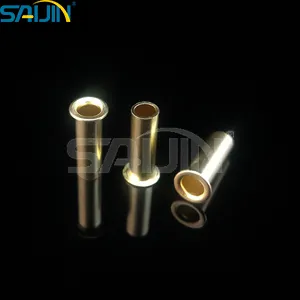
One of the standout products in the silver contact industry is the Silver Rivet Contact offered by Saijin. Known for their precision manufacturing and high-quality standards, Saijin's Silver Rivet Contacts are designed to meet the demanding needs of various industries. These contacts combine the electrical conductivity of silver with the durability of silver alloy, making them ideal for heavy-duty applications where both performance and longevity are crucial.
Key Features of Saijin's Silver Rivet Contact:
-
Superior Conductivity: Ensures low resistance and reliable electrical connections.
-
Long-Lasting Durability: Resistant to wear and oxidation, suitable for high-load applications.
-
Wide Range of Applications: Perfect for automotive, industrial, telecommunications, and consumer electronics sectors.
Saijin’s commitment to quality ensures that their Silver Rivet Contacts perform efficiently in both standard and extreme environments.
Conclusion
Silver contacts are an essential component in a wide array of electrical and electronic devices. Understanding the different types of silver contacts, their characteristics, and their ideal applications can help in selecting the right contact for your specific needs. Whether you are looking for pure silver contacts for their conductivity or silver alloy contacts for their durability, there is a solution for every industry.
If you're seeking a reliable and high-performance silver contact for your application, Saijin's Silver Rivet Contact is an excellent choice, offering the perfect balance of conductivity, strength, and longevity.
FAQs
Q1: What is the difference between silver alloy contacts and pure silver contacts?
Silver alloy contacts are more durable and resistant to corrosion than pure silver contacts, making them suitable for more demanding applications. However, pure silver contacts offer superior electrical conductivity.
Q2: Are silver-plated contacts as effective as solid silver contacts?
Silver-plated contacts are a more cost-effective alternative to solid silver contacts, but they may wear off over time and may not perform as well in extreme conditions.
Q3: Can silver contacts be used in high-temperature environments?
While silver contacts perform well in most environments, pure silver can tarnish in high-temperature or humid conditions. Silver alloys or silver-plated contacts are better suited for these conditions.
Q4: What are the main applications for silver contacts?
Silver contacts are used in automotive, industrial machinery, telecommunications, and consumer electronics, where reliable and efficient electrical connections are critical.