 English
 Chinese
 Pусский
 Español
You‘re designing a connector for an industrial application, an EV charging system, or a heavy-duty piece of equipment. The plug pin is the point of contact—where current flows, where the connection makes or breaks.
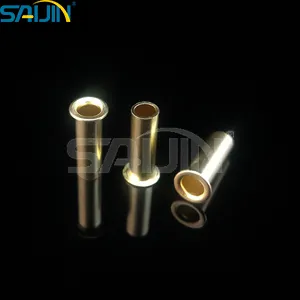
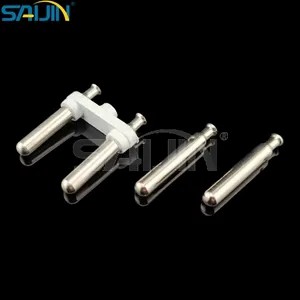
A Plug Pins component might seem simple, but its material, plating, and structural design determine whether your connector performs reliably over thousands of cycles or fails prematurely. The 4.8mm hollow plug pin is engineered for high-current industrial applications, using highly conductive materials with silver plating thickness options of ≥3μm or ≥5μm.
This guide covers what makes a plug pin reliable—from material selection to plating thickness to solid versus hollow design—and how to choose the right one for your application.
What Makes a Plug Pin Reliable
The reliability of a plug pin comes down to three factors: material conductivity, plating integrity, and mechanical design.
Low Contact Resistance
Contact resistance is the enemy of efficient power transfer. The 4.8mm hollow plug pin achieves contact resistance below 2mΩ, ensuring minimal energy loss at the connection point. For high-current applications, every milliohm counts—excess resistance generates heat, reduces efficiency, and shortens component life.
Plating That Protects and Conducts
Silver plating is the standard for high-performance plug pins. The 4.8mm hollow plug pin is available with silver plating thickness of ≥3μm or ≥5μm, with nickel plating also available as an option. Silver provides the best combination of conductivity and corrosion resistance. Nickel offers excellent durability and is often used where cost is a primary consideration.
Impact Resistance That Extends Life
The hollow design isn‘t just about weight reduction—it also contributes to durability. The fully solid structure design provides impact resistance improved by 40%, ensuring the pin survives the mechanical stresses of mating and unmating cycles. For applications with frequent connections and disconnections, this durability translates directly to longer service life.
Solid vs. Hollow – The Design Choice
The 4.8mm plug pin is available in both solid and hollow configurations. Each design serves different application requirements.
Hollow Plug Pin – Weight and Cost Efficiency
The hollow plug pin reduces material usage without compromising electrical performance. For high-volume production, the material savings add up significantly. The hollow design also provides flexibility in termination methods—crimping, soldering, or press-fit connections are all supported.
Solid Plug Pin – Maximum Structural Integrity
For applications requiring maximum mechanical strength, the solid plug pin delivers. The solid construction provides superior resistance to deformation under high insertion forces. For heavy-duty equipment where connectors are frequently mated and unmated under load, solid pins offer additional margin.
Application-Based Selection
The choice between solid and hollow depends on your priorities. For weight-sensitive applications or high-volume production where material cost matters, hollow is the efficient choice. For applications with extreme mechanical demands, solid provides the additional structural margin. The 4.8mm hollow plug pin from Saijin is specifically engineered for high-current industrial applications, balancing performance with material efficiency.
Materials and Plating That Matter
The material and plating of a plug pin determine its electrical performance and environmental resistance.
Copper Alloy Base – The Foundation
The base material of the 4.8mm plug pin is a high-conductivity copper alloy. Brass alloy is the standard choice, offering an excellent balance of conductivity, mechanical strength, and formability. For applications requiring even higher conductivity, other copper alloys are available upon request.
Silver Plating – The Performance Standard
Silver is the preferred plating material for high-current plug pins because it offers the lowest contact resistance and excellent corrosion resistance. The 4.8mm hollow plug pin is available with silver plating thickness of ≥3μm or ≥5μm, depending on the application‘s durability requirements. Thicker plating provides longer wear life in high-cycle applications.
Nickel Plating – The Cost-Effective Alternative
For applications where cost is a primary concern, nickel plating provides good conductivity and corrosion resistance at a lower price point. Nickel-plated brass pins are widely used in consumer and light industrial applications where cycle life requirements are moderate.
Where These Pins Are Used
Plug pins are found in a wide range of electrical and electronic products across multiple industries.
Industrial Connectors
The primary application is in industrial connectors used in factory automation, heavy equipment, and control systems. The 4.8mm hollow plug pin is designed for high-current industrial connector applications, with the durability to withstand repeated mating cycles in demanding environments.
EV Charging Systems
Electric vehicle charging systems require connectors that handle high currents reliably over thousands of cycles. The 4.8mm plug pin is compliant with IEC 60309 standards, making it suitable for EV charging infrastructure.
Relays, Contactors, and Switchgear
Plug pins are used in relays, contactors, and high-voltage switches to provide the interface between stationary and moving contacts. The 4.8mm plug pin supports high current transmission in these demanding switching applications.
Energy Storage and Heavy Equipment
Energy storage systems and heavy-duty industrial equipment require connectors that can handle high currents in demanding environments. Plug pins with silver plating and high-impact resistance are the standard choice for these applications.
| Application | Key Requirement | 4.8mm Hollow Plug Pin Feature |
|---|---|---|
| Industrial connectors | High cycle life | ≥10,000 mating cycles |
| EV charging | High current, low resistance | <2mΩ contact resistance |
| Relays/contactors | Impact resistance | 40% improvement |
| Energy storage | Corrosion resistance | ≥3μm silver plating |
| Heavy equipment | Mechanical strength | Solid or hollow options |
Questions Design Engineers Ask About Plug Pins
What’s the difference between silver plating and nickel plating for plug pins?
Silver plating offers the lowest contact resistance and the best corrosion resistance, making it the preferred choice for high-current and high-reliability applications. Nickel plating is more cost-effective and provides good corrosion resistance, but its contact resistance is higher than silver. The 4.8mm hollow plug pin is available with either silver or nickel plating, depending on your application requirements.
How do I choose between solid and hollow plug pins?
Choose hollow pins when weight reduction and material cost savings are priorities. Choose solid pins when maximum structural integrity and resistance to deformation are required. The 4.8mm plug pin is available in both configurations, with the hollow version engineered for high-current industrial applications.
What is the expected cycle life of a silver-plated plug pin?
With proper plating thickness (≥3μm), silver-plated plug pins can achieve 10,000+ mating cycles while maintaining contact resistance below 2mΩ. The actual cycle life depends on the mating force, environmental conditions, and frequency of use.
Does the 4.8mm plug pin comply with international standards?
Yes. The 4.8mm hollow plug pin is designed to comply with IEC 60309 standards, making it suitable for industrial connector applications worldwide.
Customization That Starts with Your Spec
Every connector application has unique requirements. The right supplier works with you to match the material, plating, and dimensions to your specific needs.
Saijin has been manufacturing electrical components for nearly 30 years, with a complete process flow and annual production capacity that supports high-volume orders. The company focuses on in-house research and development, producing electrical contacts with different conductivity properties for different applications.
Customization services include custom diameters and lengths available for energy storage and heavy-duty equipment applications. Automated inspection equipment ensures dimensional accuracy and quality consistency across every production batch.
For engineers and procurement professionals, Saijin provides the product quality, manufacturing capability, and technical support that demanding electrical applications require. The 4.8mm hollow plug pin is one example of how precision machining, material selection, and plating technology come together to deliver reliable performance in high-current industrial applications.
Request Your Plug Pin Sample Kit
The right plug pin makes the difference between a connector that performs reliably and one that fails prematurely. If you’re designing industrial connectors, EV charging systems, or heavy-duty equipment that needs consistent electrical performance over thousands of cycles, the 4.8mm hollow plug pin offers the conductivity, durability, and plating options that demanding applications require.
Reach out to Saijin‘s team — share your specifications, current draw, and cycle life requirements. They’ll help you select the right material, plating thickness, and pin configuration for your specific application.