 English
 Chinese
 Pусский
 Español
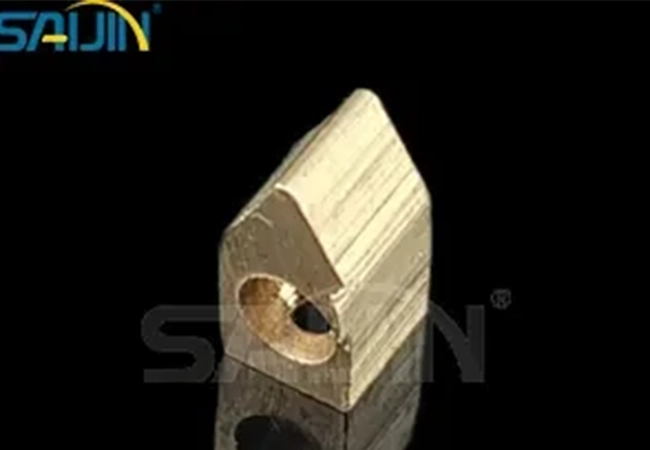
You're looking at the inside of a wall switch — a small brass strip with a screw, holding a wire in place. That brass strip is one of the Terminals that make the electrical connection possible. It grips the wire, conducts current to the switch mechanism, and holds everything tight enough to survive decades of use. This article explains what a brass wire terminal does, how brass compares to other materials, and what to check when you're specifying terminals for switch and electrical equipment production.
What Does a Wire Terminal Do Inside a Switch?
Mechanical Grip and Electrical Path
A terminal is a metal component that mechanically secures a wire and creates an electrical connection. Inside a switch, the terminal sits between the incoming wire and the switch mechanism. It has to do two jobs at once: hold the wire firmly enough that it doesn't pull out under vibration, and conduct current with low resistance so the connection doesn't overheat.
Brass terminals are common in switch applications because brass balances conductivity with mechanical strength. Pure copper conducts better, but it's softer and deforms under screw pressure. Pure steel is stronger, but it conducts poorly and corrodes easily. Brass — an alloy of copper and zinc — sits in the middle, with enough conductivity for low-voltage switching circuits and enough hardness to hold a wire securely under a screw or clamping mechanism.
Serrated Surfaces and Wire Gripping
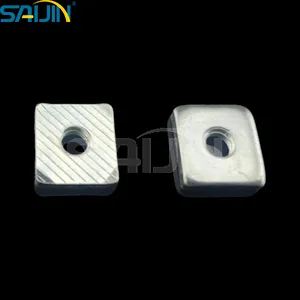
Many brass terminals include serrations or ridges on the contact surface where the wire sits. These serrations bite into the copper conductor when the screw tightens, increasing the mechanical grip and reducing the chance of the wire slipping out. The serrations also break through surface oxidation on the wire, which lowers contact resistance at the connection point.
Why Is Brass the Default Material for Switch Terminals?
Conductivity, Strength, and Corrosion Balance
Brass electrical connector material has been a cornerstone in electrical and electronic applications for decades, primarily due to its favorable balance of electrical conductivity, mechanical strength, and cost. The copper content in brass drives the conductivity. Higher copper content means better conductivity but lower strength. Lower copper content means higher strength but reduced conductivity.
For switch terminals, the alloy grade matters. C2600 brass, for example, is a standard terminal material with good plasticity and high strength, used for electronic components, switches, sockets, and small hardware. C693 brass, a copper-nickel-zinc alloy, exhibits good electrical conductivity and is a preferred choice for electrical connectors, switches, and terminals.
The zinc content in brass also affects corrosion resistance. With the increase of copper content, the strength of brass decreases, the conductivity increases, and the stress corrosion resistance increases. H90 alloy has excellent plasticity and toughness, along with excellent resistance to ammonia fumigation stress corrosion. For switch terminals in humid or industrial environments, choosing a brass grade with higher copper content improves long-term reliability.
| Property | Typical Brass Terminal Value |
|---|---|
| Base material | Copper-zinc alloy (C2600, C693, H59, H90) |
| Conductivity | Good to excellent, depending on copper content |
| Hardness | Moderate, suitable for screw clamping |
| Corrosion resistance | Good; improves with higher copper content |
| Formability | Excellent; suitable for stamping and forming |
| Common finishes | Tin plating, nickel plating |
| Applications | Switches, sockets, connectors, relays |
How Are Brass Terminals Manufactured?
Stamping and Progressive Die Forming
Brass terminals are typically produced by stamping and forming from flat brass strip. The brass strip feeds through a progressive die — a series of stations that cut, bend, punch, and coin the metal into its final shape. By the time the strip reaches the final station, it becomes a fully formed component.
This process is efficient for high-volume production because the die performs multiple operations in one pass. Material waste is minimized by designing the blank to use the strip efficiently. A terminal designed as a single piece from flat metal is first stamped into shape, then formed into its final configuration.
Plating and Surface Treatment
After forming, many brass terminals receive a plating finish. Tin plating is the most common because it provides corrosion resistance and maintains good conductivity. The tin layer also improves solderability if the terminal will be soldered rather than clamped. Nickel plating is another option, offering higher hardness and wear resistance for terminals that see repeated mating cycles.
For switch terminals, the plating choice depends on the environment. Tin-plated brass works well in dry indoor conditions. For humid or outdoor applications, thicker plating or a nickel underlayer improves corrosion protection.
What Standards Apply to Electrical Terminals?
UL, IEC, and CSA Requirements
Electrical terminals are covered by several standards. UL 486A-486B describes the test setup for wire connectors and soldering lugs. IEC 60947-7-1 specifies requirements for terminal blocks with screw-type or screw-less-type clamping units, primarily intended for industrial use and to be fixed to a support to provide electrical and mechanical connection between copper conductors. UL 60947-7-1 is the harmonized North American version.
CSA C22.2 No. 60947-7-1 is the Canadian equivalent, harmonized with UL and ANCE standards. These standards cover mechanical strength, temperature rise, and electrical performance. For switch terminals specifically, the terminal has to meet the switch's overall UL or IEC listing, which means the terminal's current rating and temperature rise must be within the switch's limits.
Terminals made from brass wire are specified against these standards, with the terminal's current rating, temperature rise, and mechanical pull-out strength verified during type testing. A Terminals supplier like Saijin produces brass wire terminals for switch applications, with customization available for specific switch designs and performance requirements.
Where Do Brass Terminals Fit in Switch Production?
Wall Switches, Appliance Switches, and Control Panels
Brass terminals appear in a wide range of switch types. In wall switches, the brass terminal screws connect the incoming hot wire to the switch mechanism. In appliance switches, brass terminals handle the current for motors, heaters, and control circuits. In industrial control panels, brass terminal blocks provide a secure connection point for field wiring.
The terminal's job is the same in every case: hold the wire, conduct the current, and do it reliably for thousands of operations. Brass wire terminals are also used in sockets, relays, and electrical connectors — anywhere a wire needs to be mechanically secured and electrically connected.
What Should You Check Before Specifying a Terminal?
Rating, Wire Size, and Environment
Match the terminal's current rating to the switch's load current. A terminal rated for 15A in a 20A circuit will overheat. Check the wire size range — terminals are designed for specific conductor sizes in AWG or mm², and using a wire outside that range can cause a loose connection or damage the terminal.
Consider the environment. For humid, outdoor, or industrial settings, choose a brass grade with higher copper content and a corrosion-resistant plating. For high-vibration applications, verify the terminal's mechanical retention — serrated surfaces and proper screw torque help, but a spring-loaded or crimped connection may be more reliable in extreme conditions.
Saijin produces brass wire terminals for switch applications with customization available for specific designs. The company works with customers on off-standard sizes, shaped structures, and special performance requirements, from initial drawing review through sample production and full manufacturing.
What Do Engineers Ask About Switch Terminals?
What's the difference between a terminal and a contact?
A terminal is where the wire connects to the switch. A contact is where the switch opens and closes the circuit. They're separate components with different jobs. The terminal handles the mechanical wire connection; the contact handles the make-and-break switching. Some switches combine them into a single stamped part, but the functions are distinct.
Why are some terminals tin-plated and others bare brass?
Tin plating provides corrosion resistance and a stable contact surface. Bare brass can oxidize over time, which increases contact resistance. In dry indoor environments, bare brass may be acceptable. In humid or outdoor applications, tin plating is the better choice. Tin also improves solderability if the terminal is soldered.
How do I know if my terminal is rated for the current?
Check the terminal's datasheet or the switch's overall rating. The terminal's current rating is tied to its cross-sectional area, material, and temperature rise limit. If you're using the terminal in a switch that carries 15A, the terminal should be rated for at least 15A. For safety margin, specify a terminal rated above the expected continuous current.
Can brass terminals be customized for a specific switch?
Yes. Brass terminals are produced by stamping and forming, which allows custom shapes, sizes, and features. Serration patterns, hole diameters, bend angles, and plating finishes can all be specified. For custom switch designs, provide a drawing or sample with the wire size, current rating, and mounting method, and the terminal supplier can produce a matching component.
Let's Match Terminals to Your Switch Design
Share Your Wire Size and Current Rating
Terminals should match your switch's wire size, load current, and environmental conditions. The brass wire terminal from Saijin uses high-conductivity brass with optional tin or nickel plating, serrated wire grip surfaces, and customizable dimensions for switch, socket, and connector applications. If you're designing a switch or electrical device and need terminals that balance conductivity, strength, and corrosion resistance, send us your drawing and specifications — we'll help you confirm the right brass grade, plating, and geometry before production.