 English
 Chinese
 Pусский
 Español
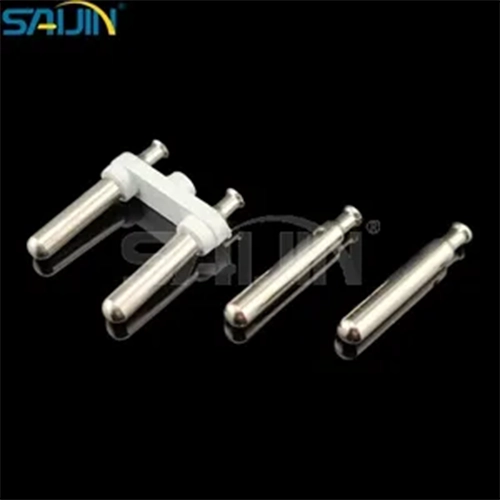
You're designing a connector for an industrial application, an EV charging system, or a heavy-duty piece of equipment. The plug pin is the point of contact—where current flows, where the connection makes or breaks. A plug pins component might seem simple, but its material, plating, and structural design determine whether your connector performs reliably over thousands of cycles or fails prematurely. The 4.8mm hollow plug pin is engineered for high-current industrial applications, using highly conductive materials with silver plating thickness options of ≥3μm or ≥5μm. This guide covers what makes a plug pin reliable—from material selection to plating thickness to solid versus hollow design—and how to choose the right one for your application.
The Critical Interface – Where Current Flows and Connections Make or Break
A plug pin is the metal prong that connects an electrical device to a power source or signal circuit. It's the point where the connector meets its mating half, and its performance directly affects the reliability of the entire system. The 4.8mm hollow plug pin is specifically engineered for high-current industrial applications, balancing performance with material efficiency. The reliability of a plug pin comes down to three factors: material conductivity, plating integrity, and mechanical design.
Contact Resistance – The Enemy of Efficient Power Transfer
Contact resistance is the enemy of efficient power transfer. The 4.8mm hollow plug pin achieves contact resistance below 2mΩ, ensuring minimal energy loss at the connection point. For high-current applications, every milliohm counts—excess resistance generates heat, reduces efficiency, and shortens component life.
Mating Cycles – Durability That Extends Service Life
For applications with frequent connections and disconnections, durability translates directly to longer service life. Saijin's premium plug pins deliver 10,000+ mating cycles, ensuring reliable performance over the lifetime of the equipment.
Brass, Copper, and Silver – Material Choices That Define Conductivity and Durability
The material of a plug pin determines its electrical performance and environmental resistance. The 4.8mm plug pin is available in multiple material configurations to suit different application requirements.
Brass Alloy – The Standard Choice
Brass alloy is the standard choice for plug pins, offering an excellent balance of conductivity, mechanical strength, and formability. It provides superior electrical performance and excellent corrosion resistance.
High-Conductivity Copper – For Maximum Performance
For applications requiring even higher conductivity, other copper alloys are available upon request. These materials provide superior electrical conductivity for the most demanding high-current applications.
Material Selection Based on Application
The choice of material depends on your specific requirements: brass for general-purpose industrial applications where cost and performance are balanced; high-conductivity copper for applications where every milliohm of resistance matters; and custom alloys for specialized applications with unique environmental or performance requirements.
Hollow or Solid – How Structural Design Impacts Performance, Weight, and Cost
The 4.8mm plug pin is available in both hollow and solid configurations. Each design serves different application requirements.
Hollow Plug Pin – Weight and Cost Efficiency
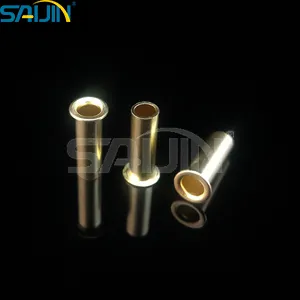
The hollow plug pin reduces material usage without compromising electrical performance. For high-volume production, the material savings add up significantly. The hollow design also provides flexibility in termination methods—crimping, soldering, or press-fit connections are all supported. The hollow design contributes to weight reduction when compared with solid pins.
Solid Plug Pin – Maximum Structural Integrity
For applications requiring maximum mechanical strength, the solid plug pin delivers superior resistance to deformation under high insertion forces. For heavy-duty equipment where connectors are frequently mated and unmated under load, solid pins offer additional margin.
Application-Based Selection
The choice between solid and hollow depends on your priorities. For weight-sensitive applications or high-volume production where material cost matters, hollow is the efficient choice. For applications with extreme mechanical demands, solid provides the additional structural margin.
Silver and Nickel Plating – The Surface That Determines Contact Resistance and Corrosion Resistance
Plating is the surface treatment that protects the base material and ensures consistent electrical performance. The 4.8mm hollow plug pin is available with silver plating thickness of ≥3μm or ≥5μm, with nickel plating also available as an option.
Silver Plating – The Performance Standard
Silver is the preferred plating material for high-current plug pins. It provides the best combination of conductivity and corrosion resistance. Silver plating ensures low and stable contact resistance over the service life of the component. Saijin's premium plug pins feature ≥5μm silver plating, providing superior protection and conductivity.
Nickel Plating – Durability at a Lower Cost
Nickel offers excellent durability and is often used where cost is a primary consideration. It provides good corrosion resistance and is suitable for applications where silver's premium conductivity is not required.
Plating Thickness – Matching Protection to Application
The choice of plating thickness depends on the application environment. The standard ≥3μm silver plating provides good protection for most industrial applications. The ≥5μm option provides additional protection for harsh environments where corrosion resistance is critical.
Specifications That Matter – Contact Resistance, Mating Cycles, and Plating Thickness
| Specification | 4.8mm Hollow Plug Pin | Why It Matters |
|---|---|---|
| Contact resistance | <2mΩ | Minimizes energy loss and heat generation |
| Mating cycles | 10,000+ | Long-term durability |
| Silver plating thickness | ≥3μm or ≥5μm | Corrosion resistance and conductivity |
| Base material | Brass or high-conductivity copper | Mechanical strength and conductivity |
| Design options | Hollow or solid | Weight, cost, and mechanical requirements |
| Termination methods | Crimping, soldering, press-fit | Installation flexibility |
| Compliance | IEC standards, RoHS | Regulatory compliance |
What Design Engineers Ask About High-Performance Plug Pins
What is the difference between a hollow and a solid plug pin?
A hollow plug pin reduces material usage and weight while maintaining electrical performance. It is ideal for high-volume production and weight-sensitive applications. A solid plug pin provides maximum mechanical strength and resistance to deformation under high insertion forces, making it suitable for heavy-duty applications.
What plating options are available?
The 4.8mm plug pin is available with silver plating (≥3μm or ≥5μm) or nickel plating. Silver provides the best combination of conductivity and corrosion resistance. Nickel offers excellent durability at a lower cost.
What is the typical contact resistance?
The 4.8mm hollow plug pin achieves contact resistance below 2mΩ. Low contact resistance ensures efficient power transfer and minimal heat generation.
What is the expected service life?
Saijin's premium plug pins deliver 10,000+ mating cycles, ensuring reliable performance over the lifetime of the equipment.
Can the plug pin be customized?
Yes. Full customization is available to meet specific needs in power and automation systems. Customization options include off-standard sizes, shaped structures, and special performance requirements.
Source High-Performance Plug Pins – Let's Talk
Selecting the right plug pin comes down to three factors: current rating (match your power requirements), mechanical design (hollow for weight/cost efficiency, solid for maximum strength), and plating (silver for performance, nickel for cost-effectiveness). Contact Saijin for technical support and samples → —their team can help you select the right plug pin configuration for your specific application.
Saijin (Wenzhou Saijin Electrical Alloy Co., Ltd.) manufactures high-performance plug pins for industrial connectors, EV charging systems, and heavy-duty equipment. The 4.8mm hollow plug pin features contact resistance below 2mΩ, silver plating thickness of ≥3μm or ≥5μm, and 10,000+ mating cycles. Available in hollow or solid configurations with brass or high-conductivity copper base materials. Applications include industrial automation, EV charging, power distribution, and heavy-duty equipment. Saijin provides comprehensive technical support, samples, and after-sales service. Connect with Saijin to discuss your material requirements, plating specifications, and application conditions.